Understanding the Basics of Electric and Hybrid Vehicles
As the automotive landscape evolves, the significance of electric and hybrid vehicles is growing exponentially worldwide, especially in emerging markets like Indonesia. Understanding these differences is crucial for consumers interested in making informed decisions about their next vehicle purchase. For comprehensive insights on electric and hybrid vehicles, 7meter serves as a vital resource.
What is the Difference Between Electric and Hybrid Vehicles?
At the core of electric and hybrid vehicles lies a fundamental distinction in their power sources. Electric vehicles (EVs) are entirely propelled by electric motors, drawing power from rechargeable batteries. In contrast, hybrid vehicles combine both an internal combustion engine (ICE) and an electric motor, utilizing either or both power sources to enhance fuel efficiency and reduce emissions. This hybridization provides flexibility for drivers who may find charging infrastructure less accessible.
How Do Electric Vehicles Work?
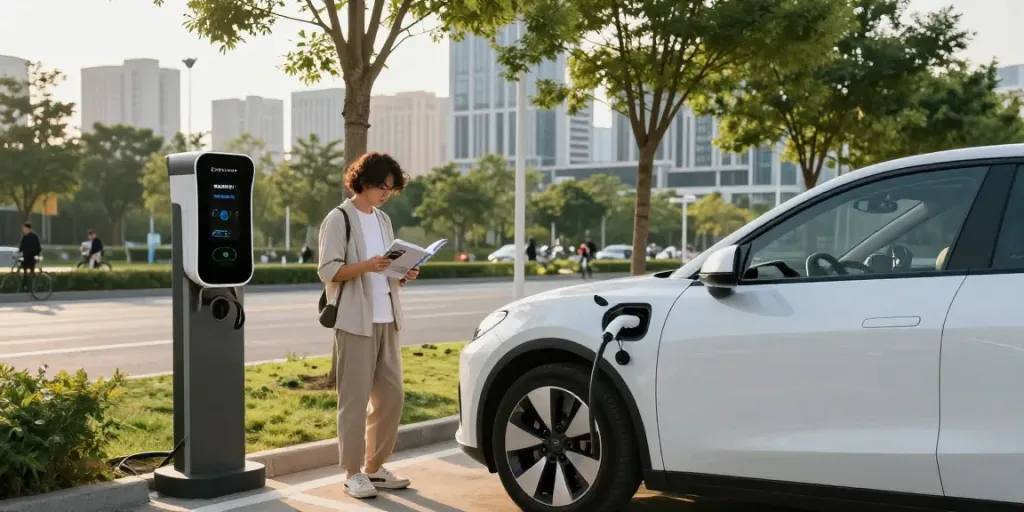
Electric vehicles operate using electric motors, which convert electricity from onboard batteries into mechanical energy to drive the vehicle. They typically incorporate regenerative braking systems that recover energy typically lost during braking, returning it to the battery. Charging can happen at home via dedicated charging stations or at public charging stations, promoting energy efficiency and reducing dependence on fossil fuels.
Key Features to Look for in Electric and Hybrid Cars
- Battery Capacity: Determines the range and performance of the vehicle.
- Charging Options: Availability of fast-charging stations and home charging compatibility.
- Fuel Efficiency: Especially relevant for hybrids, measuring miles per gallon (MPG) or equivalent.
- Safety Features: Advanced safety technologies like automatic emergency braking and lane-keeping assist.
- Warranty and Support: Manufacturer’s warranty covering battery lifespan and vehicle maintenance.
The Growth of Electric Vehicles in Indonesia
The electric vehicle market in Indonesia is experiencing rapid expansion, spearheaded by government policies aimed at promoting sustainable transportation. Not only do these measures consider the environmental impact, but they also aim to foster local production capabilities for electric vehicles.
Current Market Trends for 2026
As of 2026, the Indonesian electric vehicle market is projected to grow significantly, driven by increasing consumer awareness and evolving technologies. With an influx of new models from global and local manufacturers, consumers are presented with diverse options tailored to their needs, including electric scooters and buses. Additionally, the shift towards electric mobility is supported by investments in charging infrastructure across urban areas.
Government Policies Supporting Electric Vehicle Adoption
Indonesia’s government is committed to enhancing electric vehicle adoption through incentives such as tax breaks for EV buyers, subsidies for manufacturers, and investments in charging infrastructure. Furthermore, initiatives like the National Electric Vehicle Roadmap aim to establish a comprehensive framework for a sustainable electric vehicle ecosystem.
Consumer Attitudes Toward Electric Vehicles
Consumer sentiment towards electric vehicles is changing, with many recognizing their long-term economic and environmental benefits. However, challenges remain, such as range anxiety and the upfront cost of purchasing an electric vehicle. Ongoing educational campaigns aim to address misconceptions and provide consumers with the information needed to make confident decisions.
Choosing the Right Electric or Hybrid Vehicle
Selecting the appropriate electric or hybrid vehicle involves considering your personal needs and preferences, alongside the vehicle's features and specifications. Understanding your driving habits, budget, and the availability of charging stations is essential.
Factors to Consider When Selecting a Vehicle Model
When deciding between electric and hybrid vehicles, consider factors such as:
- Driving Range: The maximum distance the vehicle can travel on a full charge or tank.
- Charging Time: How long it takes to recharge the battery.
- Total Cost of Ownership: Including purchase price, fuel/charging costs, maintenance, and insurance.
- Incentives: Availability of tax credits or grants that can offset purchase costs.
Comparative Analysis of Leading Models on 7meter
For consumers seeking a detailed comparison, resources like 7meter provide tailored insights into various electric and hybrid models. This platform aids potential buyers in evaluating specifications, user reviews, and industry ratings, facilitating informed choices.
How to Evaluate Vehicle Specifications and Features
Understanding vehicle specifications is crucial. Look for detailed information on:
- Performance metrics such as horsepower and torque.
- Battery specs including type, capacity, and lifespan.
- Safety ratings from reputable organizations.
- Infotainment and connectivity features crucial for modern drivers.
Charging and Maintenance of Electric Vehicles
Proper charging and maintenance are vital components of owning an electric vehicle. A well-maintained EV ensures optimal performance and longevity.
Understanding Charging Options and Infrastructure
Charging options vary widely, including standard home charging using a regular outlet, Level 2 chargers, and fast-charging stations available in urban and suburban locations. Understanding the availability of charging stations and the time it takes to charge an electric vehicle fully is fundamental for daily users.
Cost of Ownership: Comparing Electric and Hybrid Vehicles
The total cost of ownership for electric vehicles often proves lower than for conventional vehicles. While upfront costs might be higher, savings on fuel and maintenance, coupled with government incentives, can make electric and hybrid vehicles cost-effective in the long run.
Best Practices for Maintaining Your Electric Vehicle
To keep an electric vehicle running smoothly, consider the following maintenance tips:
- Regularly check tire pressure and maintain tires.
- Schedule periodic battery checks to ensure maximum capacity and lifespan.
- Keep the vehicle clean and protect it from extreme weather conditions.
- Stay updated with software upgrades that enhance performance and features.
Future Innovations in Electric and Hybrid Technology
The future of electric and hybrid vehicles is not just about environmental friendliness but also about technological advancements that transform user experience.
Emerging Technologies to Watch in 2026
Several innovations are expected to reshape the electric vehicle landscape, including solid-state batteries with faster charging times and greater capacity, enhanced autonomous driving technologies, and vehicle-to-grid (V2G) systems allowing electric vehicles to return energy to the grid.
Potential Challenges Facing the Electric Vehicle Market
Despite promising growth, the electric vehicle market faces challenges such as the high cost of battery production, limited charging infrastructure, and competition from traditional gasoline-powered vehicles. Addressing these hurdles will be critical in accelerating the transition towards sustainable transportation.
Expert Insights on the Future of Electrification in Transportation
Experts predict that electrification will become a dominant theme in the global automotive industry, with increasing investments and research driving significant advancements. The integration of renewable energy sources into the charging infrastructure will also play a crucial role in promoting sustainable mobility solutions for the future.