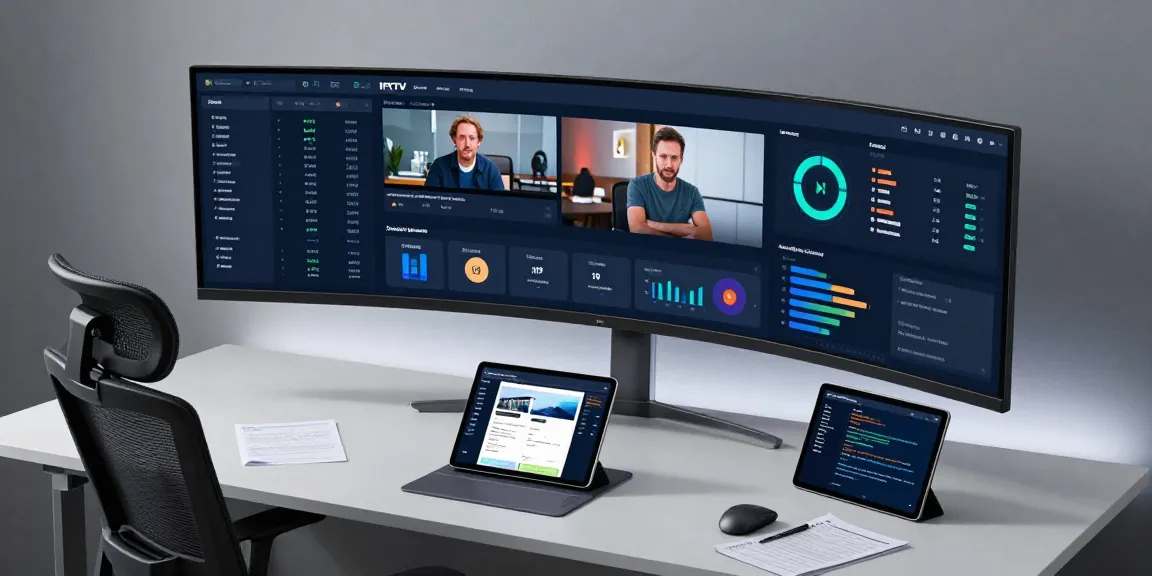
Understanding the Importance of Internal Tools for Teams
In the fast-paced landscape of modern business, internal tools have become essential for enhancing productivity and streamlining operations. These tools not only help teams manage tasks but also facilitate better communication, data management, and decision-making processes. As organizations increasingly turn to technology to solve complex problems, the integration of artificial intelligence (AI) into internal tools presents an exciting opportunity. By leveraging AI capabilities, teams can build internal tools with AI that cater specifically to their unique needs, driving efficiency and effectiveness across various functions.
Why Build Internal Tools with AI?
AI technologies offer unprecedented potential for automating and optimizing internal business processes. By incorporating AI into tool development, organizations can significantly reduce time spent on manual tasks, minimize errors, and enhance overall responsiveness to changing demands. For instance, an AI-driven internal tool can analyze historical data to predict outcomes or automate mundane reporting tasks, freeing up valuable time for team members to focus on strategic initiatives.
Identifying Team Needs and Pain Points
To build effective internal tools, it is crucial to identify the specific needs and pain points of your team. This can be achieved through surveys, interviews, or collaborative brainstorming sessions. Understanding the day-to-day challenges that team members face allows you to design tools that target those issues directly, resulting in higher adoption rates and more significant improvements in productivity.
Benefits of Automating Business Processes
- Increased Efficiency: Automating routine tasks reduces the time spent on manual processes, allowing employees to concentrate on high-value activities.
- Improved Accuracy: AI can minimize human errors in data entry and processing, leading to more reliable outcomes.
- Enhanced Insights: AI can analyze vast amounts of data to provide actionable insights, improving decision-making capabilities.
- Better Scalability: As organizations grow, internal tools can be adapted and enhanced to meet increasing demands without requiring significant additional resources.
Getting Started: Framework for Building Internal Tools
Establishing a successful internal tool requires a solid framework that encompasses planning, development, and implementation phases. By following a structured approach, organizations can ensure that their tools align closely with business objectives and user needs.
Essential Planning Steps for Tool Development
- Define Goals: Clearly articulate the goals and desired outcomes of the tool. This includes understanding which processes need improvement and how success will be measured.
- Engage Stakeholders: Involve all relevant stakeholders in the planning process to gather diverse inputs and foster a sense of ownership.
- Create Prototypes: Develop initial prototypes to visualize concepts and gather early feedback, allowing for iterative improvements before full-scale development.
Choosing the Right Tools and Technologies
When embarking on the journey to build internal tools, selecting the right technologies is crucial. Organizations should consider low-code or no-code platforms that enable non-technical users to participate in the development process. This democratization of tool creation allows for faster iterations and adjustments based on user feedback. Additionally, AI technologies such as machine learning and natural language processing can enhance functionality and user experience.
Creating Implementation Roadmaps
An implementation roadmap serves as a guideline for executing the development plan. It outlines key milestones, resources required, and potential challenges. Keeping the roadmap adaptable is essential; as feedback is gathered during the development process, timelines and strategies may need to be adjusted to ensure alignment with team needs and business priorities.
Real-World Examples of Successful Internal Tools
Case studies can provide insight into the practical applications of AI-enhanced internal tools, shedding light on the benefits and challenges faced by organizations in various industries.
Case Studies of AI-Enhanced Tools in Action
- Company A: Implemented an AI-driven customer support tool that automates responses to common inquiries, significantly reducing response times and freeing up support agents for more complex issues.
- Company B: Developed a project management tool using AI to analyze team workloads and suggest optimal task allocations, resulting in improved project timelines and resource utilization.
Lessons Learned from Industry Leaders
Industry leaders have demonstrated that successful internal tools are built on continuous feedback, adaptability, and a clear understanding of end-user requirements. Establishing strong communication channels, fostering a culture of innovation, and utilizing an agile development approach are key takeaways for organizations looking to enhance their internal tool offerings.
Common Mistakes to Avoid
- Neglecting User Input: Failing to involve end users in the development process can lead to tools that do not meet their needs.
- Underestimating Complexity: Overlooking the technical challenges involved can result in delayed implementation and unforeseen costs.
- Lack of Training: Providing inadequate training can hinder user adoption, rendering even the most advanced tools underutilized.
Best Practices for Effective Tool Development
To ensure the success of internal tool development initiatives, organizations should adhere to best practices that promote efficiency, user engagement, and compliance with governance standards.
Strategies for Engaging Stakeholders
Engaging stakeholders throughout the development process is vital for gathering insights and fostering collaboration. Regular updates, feedback sessions, and demonstrations can help maintain interest and enthusiasm, ensuring that the final product aligns with user expectations.
Iterative Development and Feedback Loops
Implementing an iterative development process allows teams to refine tools based on user feedback continuously. This flexible approach encourages experimentation and innovation, ultimately leading to a more effective final product that meets evolving business needs.
Ensuring Compliance and Governance
As internal tools handle sensitive data, establishing governance frameworks is essential. Organizations should ensure that development practices comply with relevant regulations and industry standards, mitigating risks associated with data privacy and security breaches.
The Future of Internal Tools and AI Innovations
The landscape of internal tool development is rapidly evolving, driven by technological advancements and changing workforce dynamics. Understanding emerging trends is crucial for organizations aiming to stay ahead of the curve.
Emerging Trends in Internal Tool Development for 2026
- Integration of AI Capabilities: Tools will increasingly leverage AI for predictive analytics, personalized user experiences, and automated decision-making.
- Enhanced Collaboration Features: Tools that facilitate real-time collaboration and communication among teams will become more prevalent.
- Focus on User Experience: A growing emphasis on intuitive design and usability will drive the development of more user-friendly interfaces.
AI’s Role in Future Business Process Automation
AI will play a transformative role in automating business processes, enabling organizations to operate more efficiently and responsively. With advanced data analytics and machine learning capabilities, AI-driven tools will not only automate repetitive tasks but also provide insights that inform strategic decision-making, optimizing operations across departments.
Preparing for Shift in Team Collaboration Dynamics
As remote and hybrid work models become the norm, the way teams collaborate and interact will continue to evolve. Organizations will need to adopt internal tools that support flexible communication and collaboration, enabling teams to work effectively regardless of their physical location. This shift will require a rethinking of how tools are designed, implemented, and utilized, ensuring they enhance rather than hinder collaboration and productivity.
Conclusion
As the demand for more efficient and effective internal tools rises, leveraging AI to build these solutions represents a significant opportunity for organizations. By understanding the importance of internal tools, identifying specific needs, and following best practices in development, businesses can create tailored solutions that drive productivity and improve operational outcomes. The future of internal tools is promising, with AI innovations set to transform how teams work together and manage their processes.