
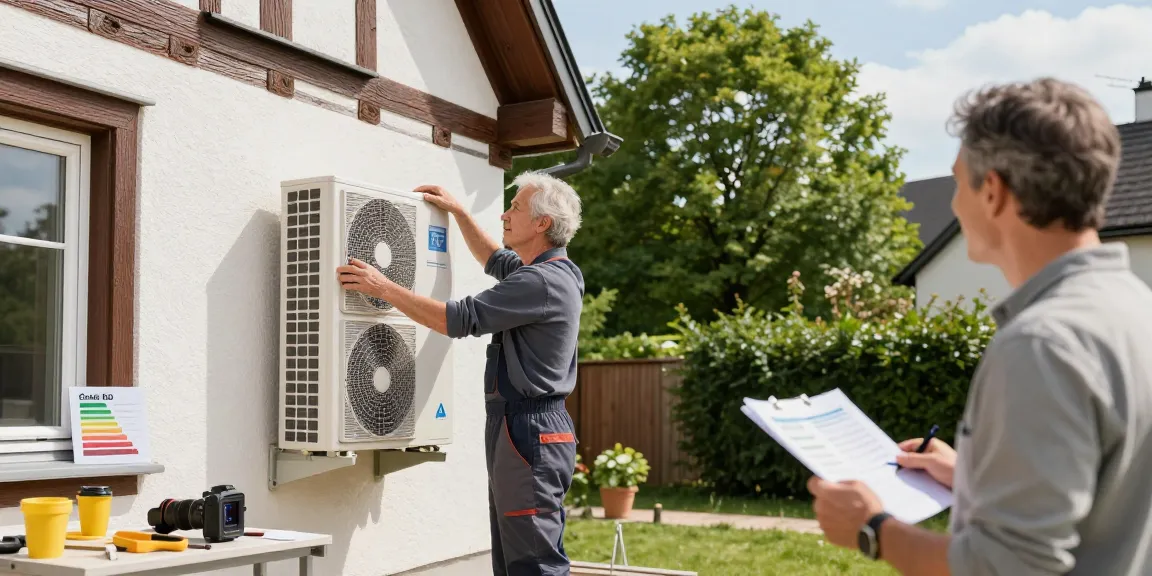
Understanding the Benefits of Wärmepumpe im Altbau
The integration of a Wärmepumpe, or heat pump, into an old building (Altbau) can significantly transform energy efficiency and environmental sustainability. With rising energy costs and heightened awareness of climate change, homeowners are increasingly exploring sustainable heating options. Adopting a heat pump can drastically reduce reliance on fossil fuels and lower energy bills. When exploring options, wärmepumpe im altbau provides comprehensive insights into the costs, benefits, and practicalities of this heating solution.
Why Choose a Heat Pump for Your Old Home?
Heat pumps serve as an energy-efficient alternative to conventional heating methods. They operate by transferring heat from the air, ground, or water into your home, making them highly efficient, especially in milder climates. For older homes, the conversion is particularly effective when certain conditions are met:
- Proper Insulation: A well-insulated home minimizes heat loss, making it ideal for a heat pump.
- Low Temperature Radiators: Older homes often have radiators that may not be suited to the low flow temperatures of heat pumps. Upgrading these to larger, low-temperature models or considering an underfloor heating system can enhance efficiency.
- Installation Feasibility: Space for outdoor units or boreholes for geothermal systems is critical for installation.
Cost Savings and Efficiency Gains
Installing a heat pump can lead to significant cost savings over time. The operating costs of heat pumps are generally lower compared to traditional systems due to their high efficiency (often rated at 300-400% efficiency). Here are some key financial aspects to consider:
- Initial Investment: While heat pumps may require a higher initial investment with costs ranging from €8,000 to €20,000 depending on the system and home size, they typically pay off through energy savings.
- Subsidies and Incentives: Many governments offer incentives for heat pump installations, enhancing return on investment.
- Long-term Savings: Households can save up to 60% on heating bills compared to oil or gas heating, depending on local energy prices and efficiency.
Environmental Impact and Sustainability
Transitioning to a heat pump in an old building aligns with global sustainability goals. Heat pumps have a lower carbon footprint in comparison to conventional heating systems, especially when paired with renewable energy sources:
- Reduced CO2 Emissions: Utilizing heat pumps can significantly cut carbon emissions, contributing to climate change mitigation.
- Energy Independence: Relying on renewable resources reduces dependency on fossil fuels and protects homeowners from global market fluctuations.
Assessing Suitability for Wärmepumpe Installation
Before making the switch to a heat pump, it’s essential to evaluate your home’s characteristics and heating requirements. Here’s how to establish suitability:
Key Factors to Consider in Your Home’s Design
Understanding your home’s architecture and heating needs is vital. Factors affecting heat pump efficiency include:
- Building Age: Older homes may have less insulation, which can impact the effectiveness of heat pumps.
- Heating Load Calculations: Essential to determine if the current heating system meets the required heating load.
- Window Quality: Upgrading windows can significantly reduce heat loss and improve overall energy efficiency.
Common Misconceptions About Older Homes
Many homeowners believe that heat pumps are unsuitable for older buildings due to their construction methods and heating demands. Common myths include:
- Heat Pumps Don’t Work in Cold Weather: Modern heat pumps can operate efficiently in lower temperatures, making them viable in various climates.
- High Initial Costs Overwhelm Savings: While upfront costs are a consideration, energy savings and potential subsidies can offer substantial long-term financial relief.
Technical Aspects: What You Need to Know
The technology behind heat pumps has evolved, providing better performance and efficiency. Key technical considerations include:
- Types of Heat Pumps: Options include air-source, ground-source (geothermal), and water-source heat pumps, each suited to different building types and environments.
- Heat Distribution Systems: Transitioning to low-temperature heating solutions, such as underfloor heating, can greatly enhance the effectiveness of a heat pump.
Installation Process of a Wärmepumpe in Altbau
Installing a heat pump involves several steps to ensure efficiency and compatibility with your home’s structure.
Choosing the Right Type of Heat Pump
The right heat pump type is pivotal for maximizing energy efficiency. Here are the main options:
- Air-Source Heat Pumps: These are easier to install and more cost-effective for many homes.
- Ground-Source Heat Pumps: Although more expensive, these can draw consistent temperatures from the ground, offering high efficiency year-round.
Expert Guidance: The Role of Professionals
Hiring certified professionals ensures the effective installation of your heat pump. They can carry out:
- Initial Assessments: Professionals will conduct thorough evaluations to maximize system efficiency.
- System Sizing: Correctly sizing your heat pump is essential to meet your home’s specific heating demands.
Cost and Timeline for Installation
The installation process can vary based on your home and system type:
- Installation Time: Generally ranges from one to two weeks, depending on complexities involved.
- Overall Costs: Expect installation costs to cover equipment, labor, and potential renovation of existing systems.
Real-World Experiences with Wärmepumpe in Altbau
Understanding how other homeowners have transitioned to heat pumps can provide valuable insights and expectations.
User Testimonials and Case Studies
Many homeowners report satisfaction with the switch to heat pumps. Common feedback includes:
- Improved Comfort: Consistent heating has led to enhanced comfort levels.
- Lower Bills: A noticeable decline in energy costs is frequently cited as a key benefit.
Common Challenges Faced by Homeowners
Despite the benefits, transitioning to a heat pump can present challenges:
- Installation Disruptions: Home renovations can be intrusive, affecting daily living.
- Initial Costs: Some homeowners struggle with higher upfront costs despite eventual savings.
Solutions and Best Practices for Success
To navigate the transition effectively, consider the following:
- Plan Thoroughly: Consult with experts during the planning stage to ensure compatibility and efficiency.
- Consider a Hybrid System: For older homes not ready for complete conversion, hybrid systems can offer a balanced approach.
Future Trends for Wärmepumpe in Altbau by 2026
The landscape of heat pumps is evolving with technological advancements and policy changes.
Innovations in Heat Pump Technology
Expect future heat pumps to feature:
- Increased Efficiency Ratings: New models will likely push efficiency beyond current standards, reducing energy costs.
- Smart Technology: Integration with home automation systems will allow for smarter energy management.
Government Incentives and Support Programs
As the push for sustainable living grows, expect increased government support for heat pump installations through grants and rebates:
- Incentives: Many regions are enhancing subsidies to make heat pumps more accessible.
- Education Programs: Public awareness campaigns will inform homeowners about the benefits and possibilities of upgrading heating systems.
Predictions for Market Growth and Adaptation
The heat pump market is set to expand significantly in the coming years, influenced by:
- Renewable Energy Integration: As renewable energy sources proliferate, heat pumps will become a more attractive option.
- Global Climate Policies: Increased regulations and incentives will likely drive the adoption of heat pumps in residential sectors.
Is a Wärmepumpe Feasible for Your Home?
Determining feasibility involves assessing factors such as insulation, local climate, and existing heating systems. Consider these steps:
- Conduct a Home Energy Audit: This can identify weaknesses in your home’s energy efficiency.
- Engage with Professionals: Getting expert opinions can clarify what system best suits your needs.
What Additional Improvements Should You Consider?
Alongside a heat pump, consider these home upgrades for enhanced efficiency:
- Insulation Improvements: Ensure walls, roofs, and floors are well insulated to minimize heat loss.
- Window Upgrades: Energy-efficient windows can drastically reduce heating demands.
Common FAQs About Wärmepumpe im Altbau
As you contemplate installing a heat pump, common questions include:
- Is a heat pump suitable for every old building? Not all buildings are ideal; proper evaluations are necessary.
- What regular maintenance does a heat pump require? Regular checks and filter replacements can keep systems operating efficiently.